 CompanySweeper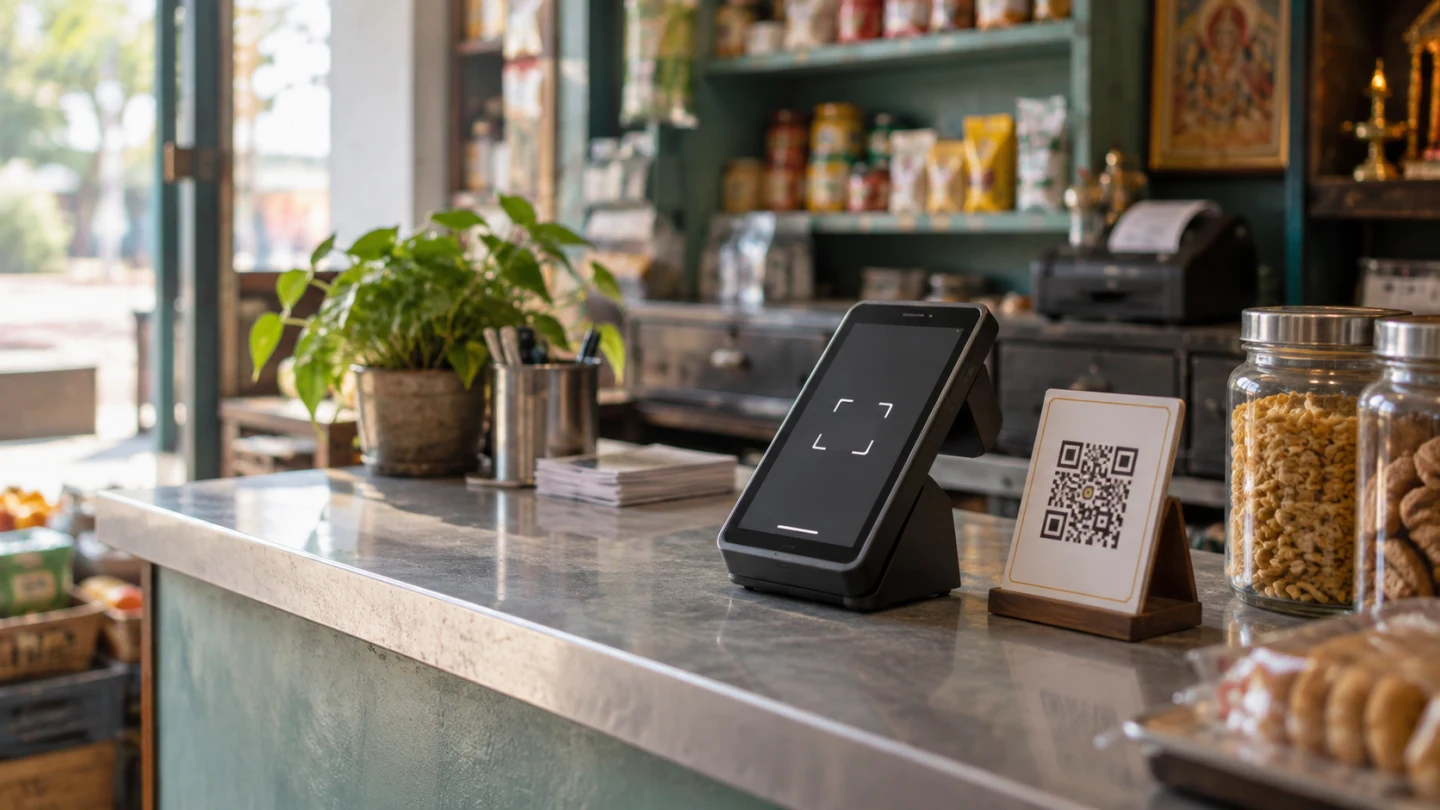
The idea
From 15 October, a specified slice of India’s person-to-merchant UPI payments will acquire a price: 0.4% on transactions above ₹2,000, capped at ₹300 for payments of ₹75,000 or more. Consumers are not meant to see a separate charge, and payments up to ₹2,000 plus qualifying small-merchant transactions remain free. That design matters because it puts the first economic burden on the merchant while asking banks, payment providers and apps to share a new revenue pool without weakening the habit of paying by UPI.News sourcepib.gov.in
The key question is therefore narrower than whether UPI has been monetised. It is whether a payment rail built on frequency and low friction can add a fee on higher-value merchant payments while preserving volume, merchant acceptance and consumer trust. The answer will depend on who controls the merchant relationship and how the fee is divided.News sourcestimesofindia.indiatimes.comlivemint.com
The fee reaches the merchant before it reaches the income statement
The announced structure separates consumer experience from merchant economics. UPI remains free to the consumer, while eligible person-to-merchant payments above ₹2,000 carry a 0.4% MDR, with a ₹300 cap at ₹75,000 and above. The fee is to be shared among banks, payment service providers and UPI application providers. That creates a commercial incentive for each participant to support the rail, but it also creates a negotiation over who funds the incentive and who keeps the margin.News sourcepib.gov.in
The government’s monitoring promise is an important constraint. Finance Ministry officials have discussed ways to stop merchants passing the charge to consumers, while the RBI deputy governor has argued that the change should not cause a major shift to cash. Those statements describe intended behaviour, not a measured result. Evidence will come from merchant pricing, payment mix and high-value UPI activity.News sourcestimesofindia.indiatimes.comFortune India
Three operating models sit closest to the change
MobiKwik is the clearest operating anchor because it reports both payment scale and a realised payment take rate. Its FY26 payment GMV was ₹1,820,655 million, with 4.9 million merchants and a 0.40% take rate in Q4 FY26. It also reported customer-initiated UPI transactions growing 170% year on year in the March 2026 period. These figures establish a business with the volume and merchant base to test the new rule, but they do not prove that MobiKwik receives the full MDR or that its current take rate will rise.News sourcepib.gov.in
AvenuesAI represents a different route: merchant acquiring and payment processing rather than a consumer app alone. Its materials describe CCAvenue as payment infrastructure and outline an international expansion plan for payment revenue. That positioning could make merchant pricing and processing economics relevant, but the saved evidence does not identify the company’s share of the new UPI pool. Fino Payments Bank adds a third contrast. Its merchant network and digital payment services are real operating assets, yet its own disclosures say the digital-payments business had been paused for recalibration. Scale can be valuable without being immediately monetisable.
The boundary is the technology layer, not automatic fee capture
NPST is a useful adjacent comparison because it supplies payment infrastructure to banks and fintechs. Its disclosures describe a technology-service and platform-as-a-service model, including acquiring-to-settlement capabilities. That may benefit if payment participants spend more on risk, routing or reconciliation, but a technology supplier is not the same thing as a direct recipient of MDR. Its revenue would need to come through contracts or usage, not simply from the existence of a new policy fee.
The comparison leaves a testable conclusion. MobiKwik has the clearest transaction-scale evidence; AvenuesAI has the strongest acquiring framing; Fino shows why reach and monetisation must be separated; NPST marks the thesis boundary. None is a confirmed beneficiary before the fee is live and the revenue split appears in disclosures.
What to expect
How each Daily Sweep will work
- A narrow value poolThe rule targets a limited group of transactions, but reporting says that group represents a much larger share of payment value. The opportunity is sizeable only if the fee is actually collected and retained through the stack.
- Merchant economics decide the outcomeThe government plans daily monitoring. A merchant who absorbs the fee loses margin; one who changes checkout behaviour risks losing conversion or shifting customers to another rail.
- Scale is not the same as take rateMobiKwik’s disclosures show payment GMV of ₹1,820,655 million in FY26 alongside a 0.40% payment take rate in Q4 FY26. The new rule may look familiar in percentage terms, but the company’s realised economics will depend on the portion of eligible flows it captures and the cost of acquiring them.
- The policy is not yet earnings evidenceThe framework starts on 15 October and its allocation, merchant pass-through and volume effects are still unobserved. Any company-level upside remains a scenario until disclosures show eligible volume, realised revenue and stable merchant activity.
Bring the question you cannot answer with a stock screener.
Use CompanySweeper to find the companies behind it.
Try this question free →Research basis · 13 records reviewed
The narrative was checked against 8 company records and 5 topical sources. News links also appear beside the paragraphs that rely on them.
- Press Release: Press Information Bureau15 September 2026
- Government, payment gateways discuss ways to stop merchants passing burden to consumers18 September 2026
- Centre to monitor UPI MDR charges daily from 15 October17 September 2026
- New UPI Merchant Discount Rate: Impact on High-Value Transactions Revealed16 September 2026
- UPI MDR Will Not Trigger Shift to Cash, Says RBI Deputy Governor18 September 2026
Research for idea discovery, not a recommendation to buy or sell securities.