 CompanySweeper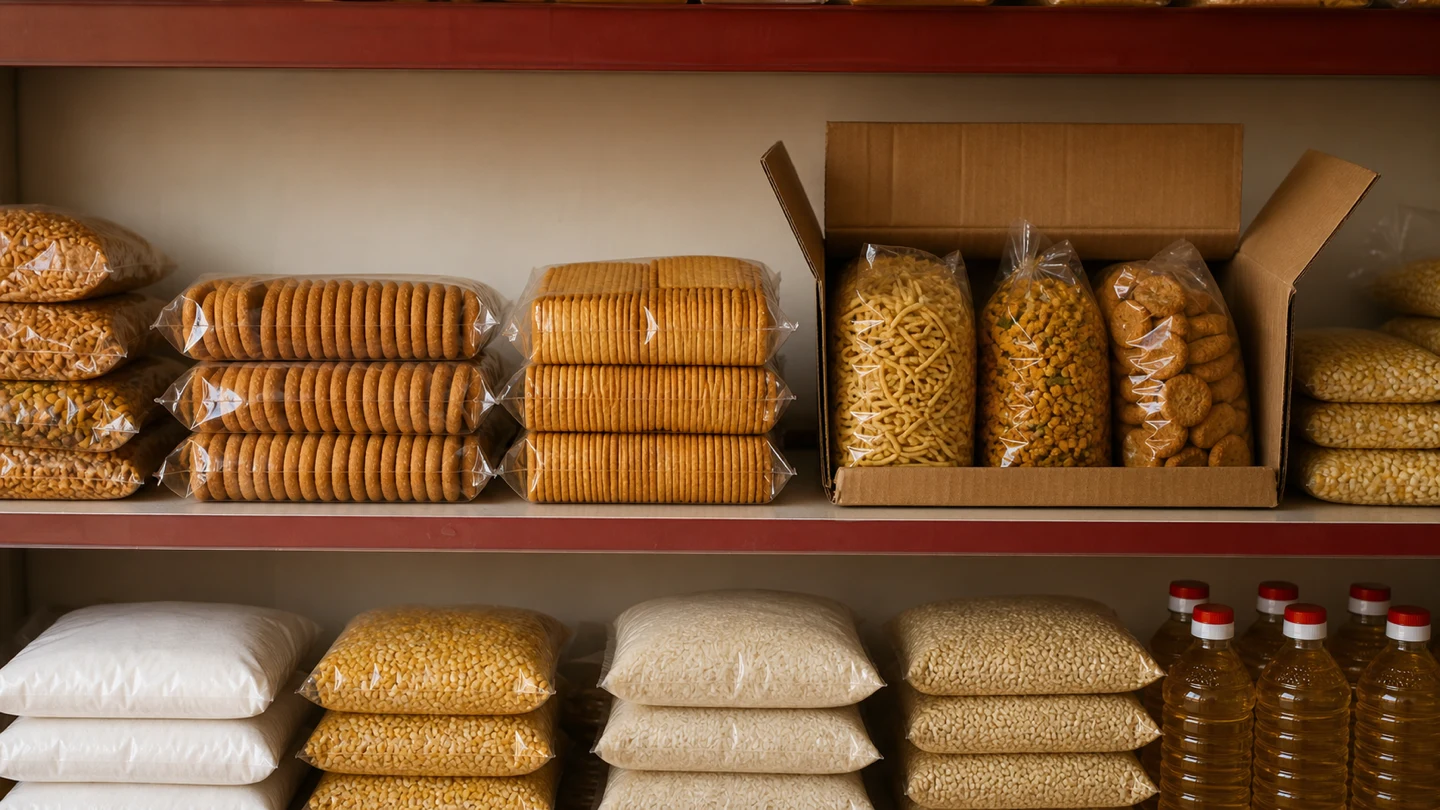
The idea
Britannia, Hindustan Unilever, Dabur and Tata Consumer are among the Indian FMCG names reported to be preparing calibrated price increases in the September quarter, after the sector raised prices by roughly 2–5% in June. Britannia has indicated a further 1.5–2% pricing impact, including smaller ₹5 and ₹10 packs. The immediate change for a shopper may therefore be a higher ticket or less product for the same ticket; for a company, it is an attempt to keep commodity inflation from reaching gross profit.News sourcesCNBC-TV18indiatoday.in
That makes the September quarter a useful test, not a simple inflation story. A price increase protects the value of each unit only if consumers keep buying, retailers keep stocking, and competitors do not give the gain back through discounts. Pack architecture can soften the visible increase, while premium products can lift mix, but both choices can shift demand toward cheaper brands or smaller baskets. The company question is which businesses have enough brand, distribution and operating evidence to absorb the shock without pretending that planned pricing already equals stronger margins.News sourcesndtv.comlivemint.com
The price tag is only half the decision
FMCG companies have three related but distinct tools: raise the listed price, reduce the quantity inside a familiar pack, or move consumers toward a higher-value product. All three can improve the money collected per unit. None automatically improves the economics of the whole franchise. If a ₹5 pack becomes smaller, the brand may preserve an entry point while raising the effective price per gram. If a premium variant gains share, mix can improve even while mass-market volumes soften. The risk is that a consumer who notices the change delays purchase, trades down or switches brands.News sourcesindiatoday.inlivemint.com
The saved news is explicit: the September actions are planned, not a record of realised price, volume or margin. The next reported quarter is more informative than the announcement. Investors should separate list price from net price after trade promotions, and revenue growth from volume growth. In staples, a company can look resilient in rupees while losing physical consumption.News sourcesCNBC-TV18The Economic Times
Two snack makers show the volume question
Gopal Snacks makes the mechanism tangible because it manufactures branded gathiya, namkeen, wafers, papad, besan and spices, then reaches consumers through 953 distributors and 294 owned logistics vehicles. Its primary presentation reports ₹409.6 crore of Q4 FY26 revenue and identifies palmolein oil, chana, potato, maida and laminate as input exposures. For Gopal, pricing can help, but distribution depth and the ramp-up of Modasa capacity matter just as much: a higher rupee per pack is not a substitute for availability and throughput.
Prataap Snacks offers a harder margin comparison. It sells more than 150 savoury-snack products through about 2.5 million retail outlets and 14 manufacturing facilities, while its evidence tracks edible-oil and commodity prices as a material risk. FY26 revenue reached ₹1,725 crore, but the operating margin in the saved snapshot was only 3.78%. That is why a 2% price action should not be read as a 2% earnings benefit: competitive intensity, retailer response, product mix and the cost of keeping shelves full can absorb much of it.
The boundary sits upstream of the shelf
Huhtamaki India is a useful contrast, not another FMCG brand. It makes flexible packaging for consumer-goods companies, and its Q2 2026 evidence says net sales rose 23.1% year on year on a healthy mix of price and volume, with pricing offsetting commodity costs. Its management transcript describes growth as roughly one-third each from price, volume and product mix. That is evidence that pass-through can coexist with demand, but packaging contracts, customer concentration and procurement cycles are not the same as a ₹5 biscuit pack.
Cosmo First is an adjacent boundary case: it supplies BOPP and other flexible films to packaging converters and brands, while also owning consumer businesses. Its saved evidence describes a specialty-film shift and a 60% specialty mix in Q4 FY26, alongside ₹1,159 crore of net debt. The company can benefit from packaging demand, but it is not direct evidence that a branded food producer can pass through input costs. Its film spreads, exports, debt reduction and downstream integration create a different set of clocks.
The useful synthesis is therefore narrower than ‘FMCG can raise prices’. Gopal and Prataap face the consumer’s substitution decision directly, with brand and distribution carrying the burden. Huhtamaki shows a supplier can report price-plus-volume growth when pass-through and operating execution align. Cosmo First marks the edge: being in the packaging chain is exposure to the theme, not proof of the same pricing power.
What to expect
How each Daily Sweep will work
- The first lever is arithmeticPrice and grammage changes can defend revenue per pack, but they do not prove that gross profit or total volume will improve.
- Distribution decides the elasticityA broad route to market gives a brand more chances to retain consumers, but it also exposes the business to retailer inventory and discount discipline.
- Packaging is a different pass-throughHuhtamaki’s evidence shows price and volume can move together when a packaging supplier passes commodity pressure through, but its customers and contracts differ from a consumer brand’s.
- Low margins leave little room for errorPrataap Snacks’ operating margin and edible-oil exposure make the same input shock a sharper execution test than the headline pricing percentage suggests.
Bring the question you cannot answer with a stock screener.
Use CompanySweeper to find the companies behind it.
Try this question free →Research basis · 16 records reviewed
The narrative was checked against 11 company records and 5 topical sources. News links also appear beside the paragraphs that rely on them.
- FMCG firms signal price hikes in Q2 as input cost pressures persist; demand remains resilient10 August 2026
- Daily item prices may rise: Britannia, HUL, Dabur and Tata Consumer plan more hikes10 August 2026
- FMCG firms breathe easier on demand, say recovery not K-shaped10 August 2026
- Tea To Soaps, Daily Essentials To Get Expensive As Iran War Cuts Margins10 August 2026
- FMCG makers plan more price hikes as input costs stay elevated; demand holds strong9 August 2026
Research for idea discovery, not a recommendation to buy or sell securities.